

Morelia city centre brings together plazas, pedestrian streets and historic buildings in the city’s historic centre. You can pair a walk through its public spaces with a museum visit, then check current opening details before setting out.
- Central public spaces: Plaza Melchor Ocampo, Plaza de Armas and pedestrian street El Nigromante.
- Other named locations: Callejón del Romance, Fuente de las Tarascas and the Acueducto de Morelia.
- Museum choices: Museo Casa Natal de Morelos, Museo del Estado de Michoacán and Museo y Archivo Histórico Casa de Morelos.
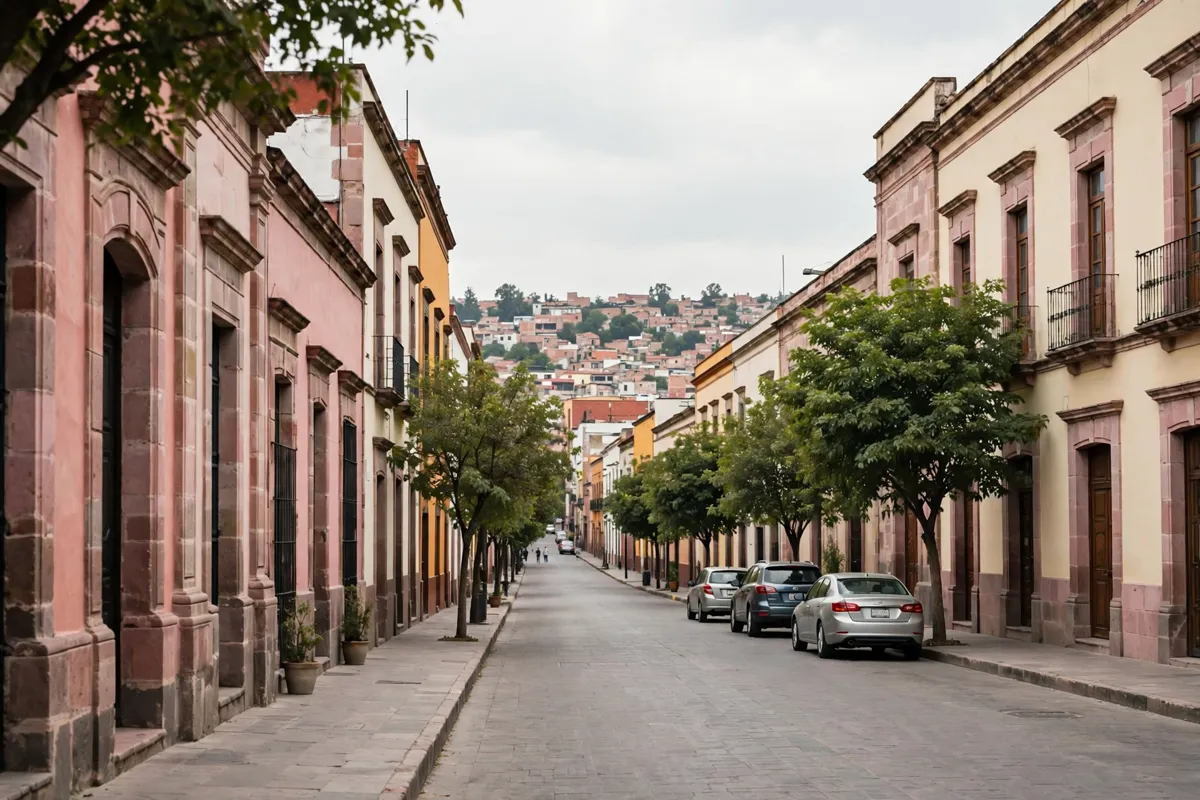
What to see in the historic centre
Morelia’s historic centre is best understood through its connected public spaces: plazas, pedestrian streets, fountains and historic streetscapes. The municipal culture office names Plaza Melchor Ocampo, Plaza de Armas (Benito Juárez) and the pedestrian street El Nigromante among its central locations.
For a walk with a few different settings, start at one of the plazas, continue along El Nigromante, then add Callejón del Romance near the Church of San Diego.
Fuente de las Tarascas is at Avenida Acueducto 890, while the Acueducto de Morelia is another city location on Acueducto. These named places offer a way to shape a route without needing to cover every stop in one outing.
The city’s regulation calls for conserving the historic centre’s urban layout, including its streets, squares, small plazas, fountains and other existing public spaces. That public-space network is the defining feature of a stroll here; the places can be combined according to how much time you have.
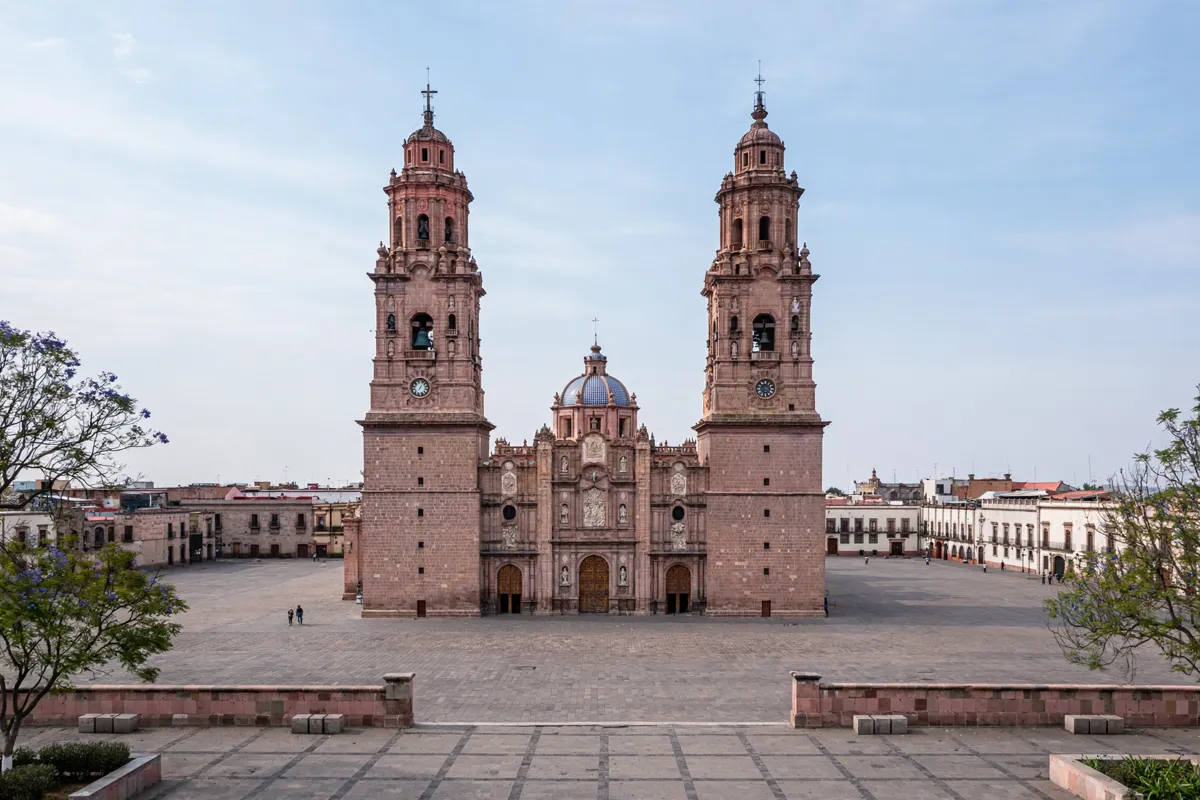
Morelia Cathedral and the main squares
The main squares give you a useful framework for exploring Morelia’s historic centre, with Plaza Melchor Ocampo and Plaza de Armas (Benito Juárez) among the central locations.
Use the plazas as landmarks as you move between central streets and other places. El Nigromante is a pedestrian street, and the Fuente de las Tarascas and Acueducto de Morelia add further stops to a broader walk.
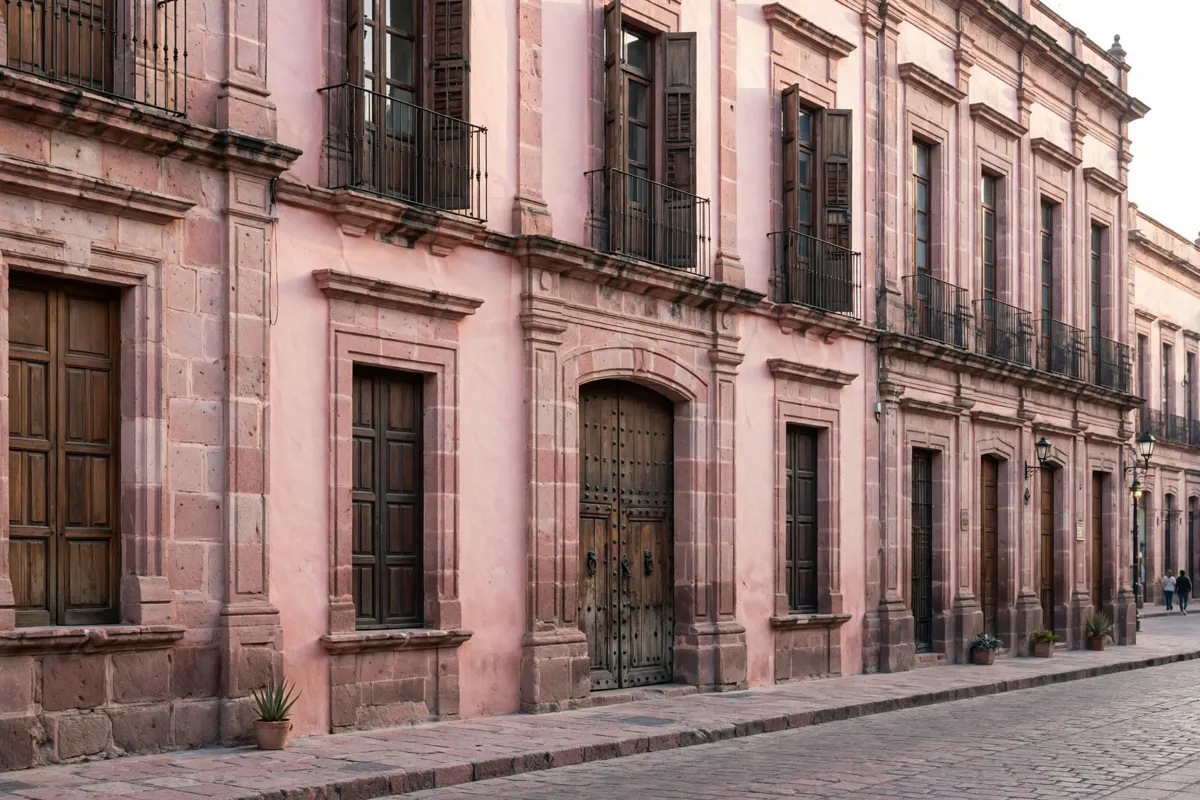
Museums in the centre
Morelia’s historic-centre museums cover local history, archaeology, ethnology and the life of José María Morelos. Opening patterns and admission differ, so check the official site before you go.
Museo Casa Natal de Morelos
Museo Casa Natal de Morelos occupies the building where José María Morelos y Pavón was born on 30 September 1765. Its three permanent exhibition rooms cover his origins, his participation in the independence struggle and his historical legacy. The cultural information system gives its regular hours as Monday to Sunday, 10:00–18:00, with free admission.
The museum’s library holds more than 23,000 volumes and is open Monday to Friday, 09:00–15:00. The library has a separate schedule from the museum, so check the museum’s official site before making it part of your visit.
Museo del Estado de Michoacán
Housed in an 18th-century building, Museo del Estado de Michoacán opened on 11 August 1986. Its sections cover archaeology, history and ethnology, and admission is free.
Its hours are Monday to Friday, 10:00–15:00 and 16:00–20:00, and Saturdays, Sundays and public holidays, 10:00–18:00. For a more focused look at the region’s history, the guide to Museo Regional Michoacano covers another museum in Morelia.
Museo y Archivo Histórico Casa de Morelos
INAH places Museo y Archivo Histórico Casa de Morelos at Avenida Morelos Sur 323, on the corner of Lic. Soto Saldaña, in Morelia’s Centro. The house was acquired by José María Morelos in 1801 for his sister. Services include guided tours, a library, cloakroom and toilets.
The museum is open Tuesday to Friday, 09:00–17:00, with admission of MXN 80 for national visitors and MXN 145 for foreign visitors. Sunday admission is free for Mexican citizens, and admission is free for Mexican children under 13, students, teachers and senior citizens. Visitor rules prohibit smoking, food, pets, video and flash photography.
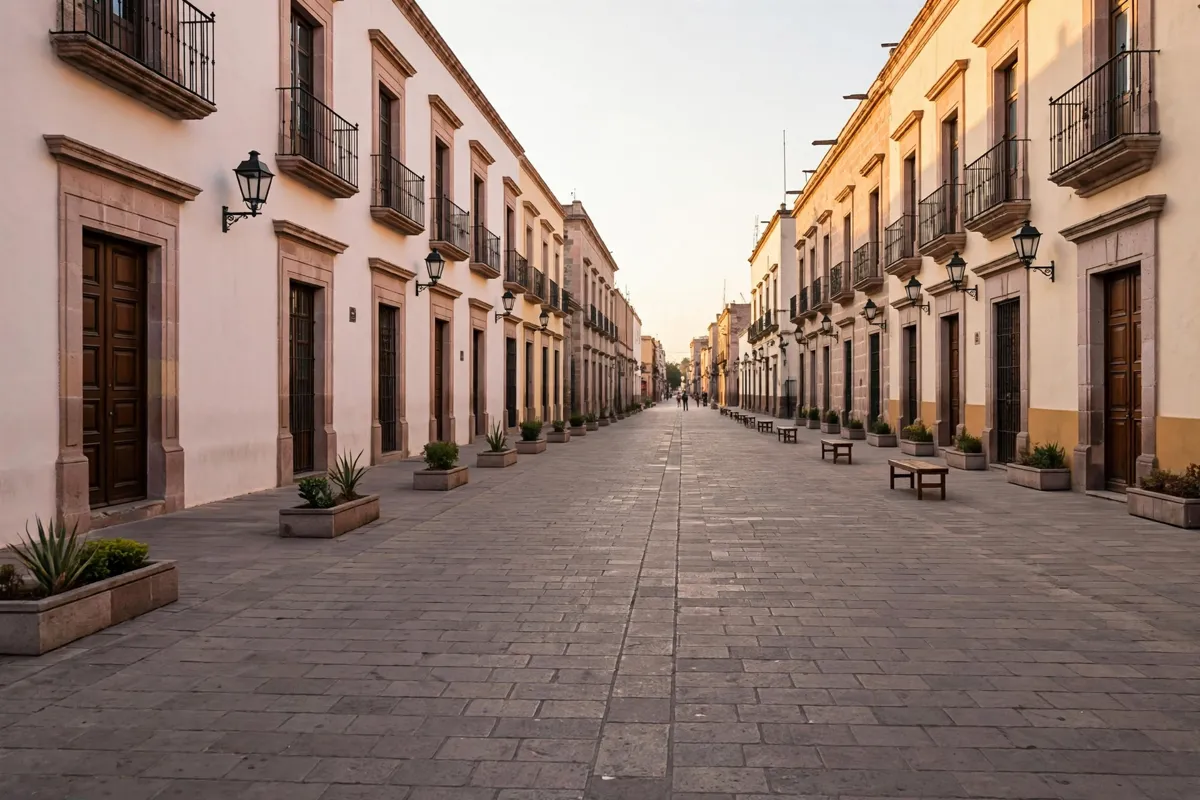
Getting around on foot
Walking connects the centre’s plazas, pedestrian street and other public spaces. The municipal traffic regulation sets a maximum speed of 15 kilometres per hour in pedestrian zones, so keep to the pedestrian areas as you follow your route.
Build a simple outing around one or two plazas, then add a museum or a stop at Callejón del Romance, Fuente de las Tarascas or the aqueduct. The guide to walking, taxis and local transport in Morelia covers ways to travel beyond the centre.
Planning a visit from the hotel
Morelia city centre is about an 18-minute walk or a 6-minute drive from Hotel Estefania, a hotel in Morelia. For a day focused on the historic core, you can begin with its public spaces and fit in a museum according to the hours and admission that suit your plans.
FAQs
What are the main places to see in Morelia’s historic centre?
Named central locations include Plaza Melchor Ocampo, Plaza de Armas (Benito Juárez), El Nigromante, Callejón del Romance, Fuente de las Tarascas and the Acueducto de Morelia.
Which museums can you visit in Morelia’s historic centre?
Options include Museo Casa Natal de Morelos, Museo del Estado de Michoacán and Museo y Archivo Histórico Casa de Morelos. Their schedules and admission arrangements differ.
Is Museo Casa Natal de Morelos free?
Admission is free, and regular opening hours are Monday to Sunday, 10:00–18:00.
Can you explore Morelia’s historic centre on foot?
Yes. The centre includes plazas, streets and pedestrian areas that can be combined into a walk. The municipal regulation sets a maximum speed of 15 kilometres per hour in pedestrian zones.